• Feed RSS

Winter is the season for Norovirus! Norovirus is a virus that’s the most common cause of “stomach flu”, or gastroenteritis. It strikes fast; those with it come down with vomiting, diarrhea, abdominal cramping. About 1 in 5 adults get gastroenteritis every year; nearly everyone has it at some point in their lifetimes.

With Norovirus going around yet another year, test your Norovirus IQ with these 6 Facts or Myths:

#1. Fact or myth: You can get Norovorius from touching a doorknob.
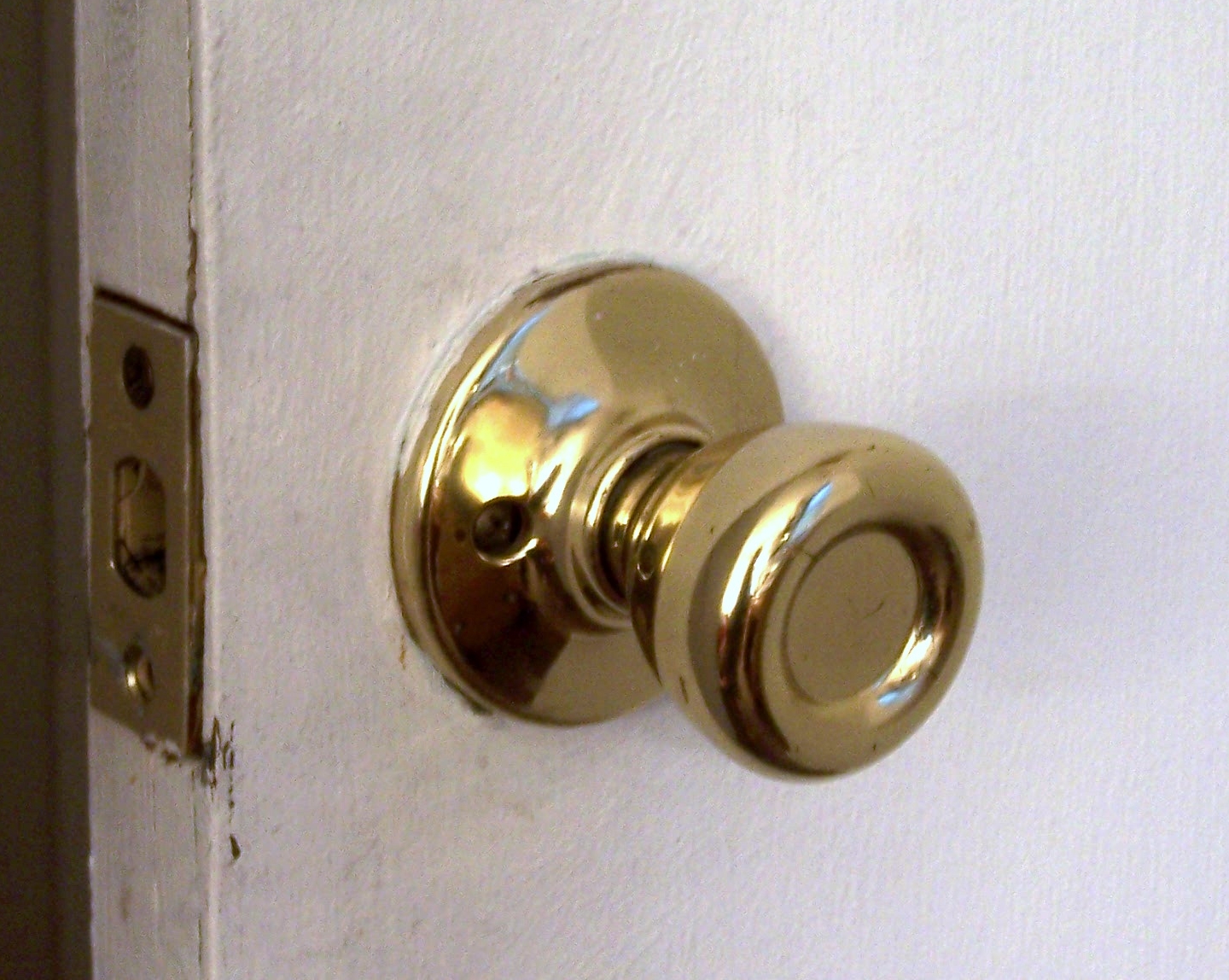
Fact. You can get Norovirus from touching something that a person with the virus touched. That includes doorknobs, but also anything else that organisms can live on: computer keyboards, coffeemakers, faucets, etc. That’s why it’s so important to wash your hands frequently; with so many people infected with it in the winter, you can catch it easily from a colleague or family member.

#2. Fact or myth: Norovirus is the same thing as food poisoning.
Myth. This myth came about because you can get Norovirus by sharing the food or drink of someone who has it, and by eating or drinking infected food or drink. Also, Norovirus spreads very fast, especially in close quarters such as nursing homes, schools, and cruiseships—another reason why people confuse it with food poisoning. However, food poisoning is caused by a toxin found in the food, not a virus that's spread through food. No matter the label, it’s important not to share food with people who may be sick and to beware of raw or undercooked food.

#3. Fact or myth: There is a Norovirus vaccine.
Fact. There are vaccines that have been developed against Norovirus, but they aren’t very effective. That’s because the virus mutates quickly, and each season produces several new strains of the Virus. So even though vaccines exist, they are not routinely recommended to prevent Norovirus.

#4. Fact or myth: There are effective medicines that will kill Norvirus.
Myth. The bad news is that there are no effective antiviral medicines that will kill Norovirus. The good news is that Norovirus is generally a harmless and self-limiting condition. The biggest danger is that of dehydration, and symptoms are typically gone in 2-3 days without treatment. Medications such as antidiarrheals may have more risks than benefits, so resting and keeping well hydrated are the key steps to recovery.

#5. Fact or myth: Pregnant women are particular at danger if they contract Norovirus.
Myth. Studies have shown that there are no unique harms of Norovirus during pregnancy, and Norovirus does not directly affect the baby. However, the symptoms of vomiting and diarrhea can lead to dehydration and electrolyte imbalances. This can increase the likelihood of a urinary tract infection and potentially of preterm labor. For these reasons, pregnant women should take extra caution to not contract Norovirus and other illnesses.

#6. Fact or myth: There are effective ways to prevent catching Norovirus
Fact. Here are 4 ways to prevent getting Norovirus:
   1)    Avoid people who have symptoms of vomiting and diarrhea. Don’t share their utensils or their food or drink.
   2)    Wash your hands with soap and water often and well, especially if you are in close quarters with potential sick people such as hospitals, schools, daycare centers, and nursing homes.
   3)    Beware of raw and undercooked food. Wash salads carefully. Cook meat and seafood well.
   4)    Keep healthy. Eat healthy, regular meals; rest; and exercise. Build up your immune system in case you do get exposed to this or other viruses.

Norovirus is a common, but unpleasant illness. If you do get it, make sure to drink plenty of fluids and get good rest. You may need to see your doctor if you can’t keep down fluids, have high fevers, or experience severe pain. Make sure your doctor listens to you and gives you a diagnosis—and explains to you what to do. As with anything else, prevention is the best medicine.
Recently, I had the honor of meeting Catherine, a mother, caregiver, and patient advocate. Seven years ago, Catherine became pregnant with twins. In week 29, she was told that Twin B had died. Twin A was born two months later.

She was named Alexis (her twin, whose footprints her parents will always cherish, was Kaitlyn). Weighing just 4 pounds at birth, she was in the neonatal intensive care unit for months. Catherine and her husband were told numerous times that Alexis was going to die, but despite her long list of medical problems, “the list was overshadowed by her will to live.”

At just one year old, Alexis was diagnosed with no less than 15 serious medical conditions. Her medical records were taller than her, and the list was growing. Thankfully, Alexis was growing, too, into a remarkable young girl.  In fact, says Catherine, that was her biggest problem with Alexis’s medical care for so long. “I wish more doctors acknowledged the bright side.”

Catherine’s stories of how her doctors perceived and interacted with her child are sobering. At one point, a doctor walked into her room and told her family that Alexis had just one month to live and that it was time to get the rest of the family—then just walked out.

As a mother of a sick child, she has four lessons for healthcare professionals. I have copied them verbatim from her blog entry, because her voice is so poignant and so important: 

1) “Always acknowledge, appreciate and respect the family.”

2) “Please understand why we are so anxious to know a diagnosis. We appreciate your desire to be thorough and “solve” our child’s problem, but that solution is often just the beginning for us. We’re anxious to know how our lives will change and to find ways to balance that change with parenting techniques that will make our children’s lives better.” 

3) “We need to be partners in the care of our kids. You see them for a few hours every year; we keep them alive for the other 8,755 hours.”

3) “We know that part of being a team means getting bad news. However, you have the power to layer those conversations with as much hope and understanding as possible. Please do your best to exercise that power.”

Doctors, nurses, health professionals—take heed. Patients, too—remember that you can demand this standard of care from your healthcare providers. Make sure your doctor listens. Ask for a diagnosis. Assure your doctor that it’s OK if she’s not 100% sure; please share with you what she knows. Partner in your care. Ask your doctor why he is recommending this test or that treatment. Exercise your power to get the care that you and your loved ones deserve.

Alexis is now six. Catherine describes how she watched a pediatrician burst into tears as she watched Alexis walk hand-in-hand with her dad. 

“That afternoon,” she writes, “We all saw Alexis as not a collection of problems but as a bundle of hope. We knew that six years after her birth, ‘A’ didn’t stand for Alexis, it stood for Awesome.”

Thanks to Thriving, Boston Children’s Hospital pediatric health blog, for allowing parts of Catherine’s original blog to be published. Have other stories to share that may help other patients, caregivers, and health professionals? I welcome your comments.

I’m a young emergency physician, part of the “new breed” that’s always known emergency physicians to be residency-trained and emergency medicine (EM) as a well-respected field. Being a leader in the American Academy of Emergency Medicine, I often hear of our organization’s leaders speak about the struggles they had in establishing our specialty, but I didn’t have a sense of what they actually went through. Why is that they so dislike the term “emergency room” and cringe at the reference to “ER doctors”?

It took a visit to China for me to even begin to understand the reasons. In August-September 2012, I traveled back to the country of my birth to study the current state of medical education here. My trip traversed 9 provinces and involved visits to 14 medical schools and over 50 hospitals.

Being an emergency physician who is interested in healthcare systems, I was particularly curious to visit the Emergency Departments there (we prefer this term and the abbreviation “ED”s to ERs for reasons I’ll speak about later). What I found is quite far from the EDs I know. In fact, everywhere I visited, from rural provincial hospitals in Inner Mongolia to major inner-city teaching hospitals in Beijing, had an emergency ROOM. That’s because patients were literally seen in a giant room, with beds pushed against walls and (if they are lucky) a curtain to divide the rooms. Extra patients were lined up along hallways, often six-deep.

Many places had triage to service, meaning that patients were triaged to a specific area to be seen by specialists who came through the ER. So internists would see patients designated as having medical problems, surgeons would see patients thought to have surgical problems, etc. If the patient turned out to a different problem than was initially decided, a long discussion would take place before the patient was transferred to the correct part of the ER.

Since China is a densely populated country, many hospitals had serious issues with overcrowding. Not surprisingly, the biggest problem seems to be with patients waiting for a hospital bed—basically, boarding.

“Do you often see patients waiting for a bed for 24 hours?” I asked a doctor in a major Beijing hospital.

“24 hours? We are lucky if there’s a bed in 72 hours!” He went on to describe the difficulties he had with admitting an elderly woman with heart failure, diabetes, kidney problems, and liver cancer who came in with difficulty breathing. The cardiologists refused the patient, saying the problem was the kidney. The nephrologists declined, saying diabetes or cancer was the underlying problem. Oncology and endocrine stated the chief complaint was not mainly their issue. General internal medicine said the patient was too complicated. As a result, the patient stayed in the ED for the entirety of her care—a total of 30 days.

The emergency physicians I met attributed the problem of boarding to the lack of respect for the specialty. Though EM is a specialty in China, and there are EM residency programs in some cities, it is considered to be a specialty of last resort—for those physicians cannot make it in other fields. Most EDs are divisions that exist only under the auspices of “real” departments such as surgery and medicine. Attendings working in the ED are scorned by others, and fights over airway, chest tubes, and other procedures are frequent occurrences.

Hopefully, my fellow young American physicians are wondering what kind of backwards environment I’m describing, but many reading this column are probably thinking that this description is not too far from the reality they knew. Indeed, the road to becoming a specialty involves predictable stages. My generation takes it for granted that we are part of excellent training programs and will be specialists in a well-respected medical field. But it wasn’t long ago that our predecessors fought the same battles that China faces now, of specialty recognition, admission privileges, scope of practice, etc.

We young emergency physicians need to thank those who came before us for making our specialty what it is and paving the way for us. For creating the emergency DEPARTMENT (rather than the ER) staffed by emergency physicians (rather than ER docs). For ensuring safer and better care for our patients.

We must also recognize that while many problems have been resolved, many remain. Overcrowding and boarding continue to be problems in EDs across the U.S. There are continuing challenges to our scope of practice, and other specialties still question our abilities. Vocal groups still insist that there are other ways to become “certified” emergency physicians through alternative boards. The corporate practice of medicine remains a real issue for practicing physicians.

It’s imperative for young emergency physicians like myself to continue to find value for our specialty. China’s EM leaders have found creative solutions around their overcrowding and scope of practice by starting “E-ICUs” (emergency ICUs) and transitional care units (transition from E-ICU to home) and staffing “emergency inpatient” and observation units. As we look to the future of EM, we should be aware of our history, work to overcome ongoing problems, and continue to advance our specialty and improve healthcare, in the U.S. and internationally.

This article was initially published in AAEM’s Common Sense magazine. I welcome your comments!

Have you ever gone to the doctor and felt like he wasn't listening to you? Have you tried to tell your story, only to have him interrupt with a checklist of questions: do you have chest pain, shortness of breath, fevers, cough, and so forth? Have you ever felt ignored, and left thinking that your doctor never understood why came to him in the first place?

The New Year is the time to make changes in your health. If you feel dissatisfied or frustrated by your care, now is the time to figure out how to get better care.

Studies show that 80% of diagnoses can be made based on your history alone. Yet, doctors these days spend less and less time listening. “Cookbook medicine” is prevalent, with doctors resorting to checklists of yes/no questions rather than really listening to what’s going on with you. You have to make sure that your concerns are addressed—and even before that, to make sure your story is heard. Here are 6 tips for getting your doctor to listen to you:

Tip #1: Answer the doctor’s pressing questions first. Many doctors are so accustomed to relying on a checklist of questions that they have to get these answers before they move on. Help them out and answer these questions. If the doctor want you to describe the location of your chest pain, describe it (“it’s in the middle of my chest, right here”). If she want to know what you took to make it better, tell them (“I took an aspirin. It didn’t help”).

Tip #2: Attach a narrative response at the end of these close-ended questions. If your doctor persists on asking close-ended questions, add a narrative response at the end that may not so easily fit into a yes/no answer (“it’s in the middle of my chest, right here, and it started after I really pushed myself in swimming tonight”). Pretend that you are being asked “how” or “why” instead of “yes/no”, and add your own response. Look to make sure your doctor registers this answer—does he ask you more questions to follow-up on what you said, for example?

Tip #3: Ask your own questions. If you don’t understand why a particular question is relevant to your situation, ask about it. You may be surprised to find that the doctor herself isn’t sure and is only asking the question out of habit. On the other hand, you may find out that issues you wouldn’t have thought were related might actually be very important to discuss.

Tip #4: Interrupt when interrupted. If your doctor cuts you off when you try to explain your full answer, free to interrupt. Pretend you’re having a conversation, even when it feels like you’re being interrogated. For example, if you’re asked “when did headache start,” rather than responding “10am,” go ahead and tell your story of how the pain started: “I woke up this morning and I was fine, then I started walking to work and the pain came on suddenly like a lightening bolt striking me.” This is not a new tactic; lawyers will often coach clients in advance to answer yes/no questions with a narrative so that answers can’t be taken out of context. Interrupting is a way to ensure that your entire answer is heard, not just the part that the doctor thinks he wants to hear.

Tip #5: Focus on your concerns. If you get the sense that your concerns are being brushed over, interject, “Excuse me, doctor, I have tried to answer all your questions, but I am still not certain my concerns have been addressed. Can you please help me understand why it is that I have been feeling fatigued and short of breath for the last two weeks?” and so on. You can take charge of the conversation at that point. It’s your body and your duty to advocate for yourself if you don’t feel like your story has been understood and your concerns have been addressed.

Tip #6: Make sure you are courteous and respectful to your doctor. Your doctor is a professional, and is probably trying her best to help you. Your story has to be heard and your concerns addressed, but make sure you present your points in a respectful manner. This will ensure that a solid doctor-patient relationship is present, and is critical to the partnership you need to establish. 

You may be dissatisfied and frustrated by your medical care, but you can take control of your health care and transform your health today. I discuss more in my book, When Doctors Don't Listen: How to Avoid Misdiagnoses and Unnecessary Tests. Try these tips on your next doctor’s visit, and build your partnership for better care.
May is a recent divorcee in her early sixties. She was working out at the gym when she began to feel queasy and lightheaded. She awoke in the back of an ambulance, and soon, she was in an E.R. getting blood drawn. “We need to make sure you don’t have a heart attack,” she was told.

As the day went on, May underwent test after test to “rule out” a heart attack, then a blood clot in her lungs, then a stroke. She was relieved when she found out that she didn’t have these grim problems, but she still had no idea why she felt terrible. By the next morning, she had developed a fever and was shaking with chills. It took until the end of the following day for doctors to figure out that the problem was a raging gallbladder infection. She had to undergo emergency surgery, where they found that her gallbladder had ruptured and was leaking infected fluid throughout her abdomen.

When you go to the doctor, you want to find out what’s wrong and how you can get better. In modern day America, though, what you will get are tests to “rule out” problems rather than figure out what you actually have. Patients go through x-rays and CT scans, get vials of blood drawn, and stay in hospital for days on end, then leave with a huge bill but little idea of why they feel sick or how they can get better. Not only does it leave them confused and feeling just as unwell, it often results in misdiagnosis because, as in May’s case, the focus was never on figuring out the problem to begin with.

Like the rest of America, our healthcare system has become morbidly obese. Costs are skyrocketing; we spend 18 cents of every dollar on health, a number that will rise to over a quarter by 2020. Millions of people are priced out of healthcare, with one in eight uninsured and far more underinsured. But our system is not just failing those who lack access to care. Those who have access are getting exposed to unnecessary tests with unnecessary side effects. People are going to their doctor and leaving without feeling any better.

In fact, they are getting misdiagnosed, and are suffering the consequences. Over 100,000 deaths due to medical error occur every year, and the majority of these errors are errors in diagnoses. There are growing movements to make medical care safer. I applaud these efforts to ensure surgical safety and reduce bloodstream infections, but the push for safety has to begin even earlier in the process, with getting to the right diagnosis.

Why is the diagnosis so important? First, it’s important for you to know what you have before you can treat it. You have to know what disease or process you have so you know what to expect, what to watch out for, and what you can do about it. Throwing medications at symptoms just masks them, but doesn’t get at the root of the problem. Second, not knowing what diagnoses are being considered is equivalent to searching for a needle in the haystack: it’s aimless and dangerous. Tests should be done to narrow down diagnoses, or else results are going to be obtained that don’t make sense, and you still won’t know what you have or what to do about it.

It took May a near-death experience and over a year of recovery to find out that the key to better to better healthcare hinges on getting the right diagnosis. In her case, all of the symptoms of a gallbladder infection had been there from the start. The problem was that the doctor was fixated on making sure she didn’t have other things—other problems that she didn’t even have symptoms for—and missed the boat altogether.

When you are next at your doctor, make sure you ask for your diagnosis. If the doctor is not sure, or wants to run some tests first before telling you, ask her for a list of possible diagnoses and the most likely diagnosis BEFORE you consent to the tests. Your doctor must have some thoughts on what you might have, and you should find out what that is (if she doesn’t have any clue, then that’s a problem too!).

Getting to the diagnosis is the first and most critical step to getting better, and you need to help your doctor help you. Only by ensuring that we get the best and most efficient care possible for ourselves and our loved ones can we achieve meaningful healthcare reform for the nation.
Christmas, Hanukah, New Year’s—these are supposed to be times of celebration, togetherness, and happiness. Yet, they can bring challenges to our physical and emotional health. Here are 8 tips for staying healthy and happy during this holiday season.

1. Eat well. It’s common to pack on 5-10 pounds during the holiday season, but there are ways you can eat both healthy and well! Know which foods are high in caloric content and low in nutrition. Don’t deprive yourself of such treats, but indulge in moderation. Eat smaller meals instead of “saving yourself” for one huge buffet. Opt for healthy options at home, and when visiting others, bring a healthy dish to share. Be careful of liquid calories, including alcoholic beverages.

2. Stay active. Exercise is just as important during the holidays as any other time of the year. You should be active at least four to five times a week, preferably with some aerobic exercise every day. The weather may be cold outside, but the winter offers additional fun, too! Ice-skating, sledding, snow sprints—all of these can be great exercise. Enlist your loved ones to join you for quality bonding time.

3. Prevent illness and injuries. Colds and the flu are most prevalent in the winter. Prevent them by washing your hands regularly and urging others to do the same. Stay warm by dressing in layers. Sprinkle sand on icy patches. Watch young ones, and assist the elderly, who are at increased risk of falls and other injuries during this time.

4. Check your heating system. Making sure your heating works and is safe. Carbon monoxide emergencies can be fatal. Install a carbon monoxide detector and test it once a month. Keep grills and generators out of the house, and don’t run your car for long periods of time in the garage. Most residential fires also occur in the winter; never leave fireplaces, stoves, and candles unattended.

5. Travel safely. Whether you are going down the block or halfway across the world, follow extra precautions. Give yourself plenty of time in the additional holiday traffic. Never drink and drive. Be on the lookout for reports of extreme weather and heed warnings. If you’re traveling away from home, make sure to pack and take your medications. Know how to contact your doctor when you are away and have a medical problem, and where the local ER is.

6. De-stress. Holidays can be a stress time. You may be working, and feel the stress of managing your work duties along with additional commitments to your friends and family. You may feel the financial stress of gifts, and the interpersonal stress of conflicts. Try to anticipate sources of stress and develop a plan to manage them. This may involve committing to fewer get-togethers or setting a tighter budget. Don’t feel guilty; you have to take care of yourself before you can take of others.

7. Help others. Depression and suicidality increase during the holidays. Watch for signs of depression among your friends and family. Take an active role to support those in need. Invite those colleagues or friends who are alone over the holidays to spend them with you. Volunteer and give to those less fortunate.

8. Treat yourself. The holiday spirit is about helping others around you, but you also have to make time to take care of yourself. So treat yourself with something over the holidays. It may be something as simple as sleep. Sleep in and enjoy a day of rest; you need it. How about reading that book you’ve been meaning to for a long time, or getting a manicure or massage? Take the time to do the things that make you happy.

I hope these tips have been helpful! Do you have other tips to share? I welcome your comments. And happy holidays!

This weekend, I am presenting a session at the Asian American Women Leadership Conference to high school and college students about taking care of our bodies. One the topics is common health myths. Despite our best efforts at debunking them, here are 8 pervasive myths:

#1. You can catch a cold from being too cold. Growing up, how many of us have heard this from well-meaning parents and grandparents? It’s easy to see how this myth came to be. People do get more colds in the winter. Going outside in the cold without proper protection isn’t particularly pleasant, and if you do it enough, might lead to a weaker immune system. However, we also know that colds are viral infections that are transmitted through viruses. You catch a cold from someone else who has a cold, not from being too cold yourself. So, to avoid catching colds, be diligent about washing your hands (though bundling up in cold weather isn’t a bad idea either).

#2. You will get blind if you read in low light. If this is the case, then our ancestors will surely all have suffered from blindness! It’s not true that reading in low light leads to blindness. That said, why strain your eyes unnecessarily? If you have the choice, read in an environment with lighting that is pleasant to you.

#3. In order to tan, you must burn first. This is definitely NOT true. Sunburns are potentially dangerous, and can lead to sunstroke and dehydration, not to mention skin cancer. Tanning itself carries similar risks. How much you tan depends on your skin type (there are some people who burn and never tan, for example), but you should definitely not plan to get sunburned in order to tan.

#4. Muscle turns to fat if you don’t use it. Anatomically, this just isn’t the case. Muscle and fat are two different types of tissues, and one doesn’t turn into the other. However, there may be some truth overall in that if you don’t exercise, you lose your muscle mass. If you consume the same number of calories as when you were exercising, you will probably gain weight. So make sure to exercise regularly!

#5. Alcohol kills brain cells. In junior high, I watched my teacher drop a rat brain into alcohol, and the alcohol seemed to eat away at the brain. So alcohol kills brain cells, right? Well, not exactly. The alcohol that you drink enters your bloodstream, and doesn’t actually attack your brain directly. Of course, there are other ways for alcohol to injure your brain: for example, binge drinking can lead to decrease in breathing and injury to your brain that way, and drinking while driving has many other dangerous effects. As with everything else, drink responsibly, and in moderation.

#6. People are fat because they don’t exercise. While exercise is necessary to maintain good health, the primary contributor to being overweight is poor diet. An overweight person will have difficulty losing weight by exercise alone; a good diet with decreased calories is also necessary. Genes also play a role. That doesn't mean you shouldn't exercise if you want to lose weight--but make sure you also change your diet.

#7. Birth control/HPV vaccine/etc leads to more sex. A myth like is testament to people using anything as “research” to support their views. It’s hard to imagine that anyone will choose to have more sex because they have better information and a few shots in their arm. A better way to think about this is that people are going to be sexually active anyway. Why not empower them with information to make good choices (i.e. birth control and sex education)? The HPV vaccine can guard against cervical cancer; why not protect our young?

#8. Women need annual pap smears starting from age 18. This used to be the case, but the guidelines have been revised such that it’s recommended for women to get pap smears every three years, starting from three years after they begin sexual intercourse. This doesn’t mean that you should only see your doctor every three years; an annual woman’s visit is beneficial for a number of reasons, including checking up on your health in general and addressing other aspects of your sexual health.

Many of these myths are partially based on the truth; that’s why it’s so hard to sort them out. Yet, they have been proven time and time again, with a variety of scientific studies, to not be true.

Do you agree? Disagree? Have other myths that you want to share? Please write your comments below! I would love to hear from you.