• Feed RSS
Showing posts with label when doctors don't listen. Show all posts

My blog entries have been light over the last month in large part because of significant travel. In between clinical shifts in the ED and co-leading a fantastic cohort of GWU’s Residency Fellowship in Health Policy, I was fortunate to be invited to speak at several conferences in October. Here are some highlights:

In early October, I was honored to keynote the Centra Health Foundation annual gala in Lynchburg, VA to celebrate the work of several hundred volunteers, all of whom were either breast cancer survivors or family members of survivors. The event was moving and powerful; I thought of how proud my mother would be to hear me share her story with so many courageous and inspiring women.

Next was the 12th Annual UC Davis Pre-Health Professions Conference in Davis, CA. Ten years ago, when I was the national president of the American Medical Student Association, I was approached by a student from a community college named Joubin Afshar who told me that he had started a conference for community college students who wanted information about the health professions. I attended the conference then, and was blown away by the drive and passion of these students. Nearly all were first generation college students, and for many, this was their first and only exposure to medical professionals.

Having been such a student myself, I vowed to return whenever possible. Last year and this year, I gave a keynote and led four workshops on leadership in medicine. Nearly 8,000 students attended the conference—many took overnight buses across California and even from the East Coast. It’s remarkable to see the work done by a small group of committed students. I wonder how many health professionals are where they are now because of the work of Joubin and his colleagues. (I also had the opportunity to see a friend and colleague, Dr. Davis Liu: an exceptional leader, thinker, and physician.)

My former Rhodes colleague who is now Chief Resident at Einstein Hospital in Philadelphia, Dr. Gary Huang, invited me to give Grand Rounds to the Departments of Internal Medicine and Emergency Medicine (pictured here with fellow Chief Resident and very kind physician Dr. Carlos Davila). I received many questions on what physician trainees can do to avoid burnout and deliver true patient-centered care. 

No answer I gave could have been as telling as the actions of Dr. Huang. As we were coming down the elevator, a woman in her fifties stopped us to ask directions to a particular surgeon’s office. I watched as Gary helped her figure out the name of the surgeon, led her to identify his location, then navigate her there. So many other people would have simply said, “I don’t know” and implied that it’s not their job to know, but not Gary. He took the time to help this woman in need, going far out of his way to do so. He didn’t do it to impress her or me (and I suspect he and his equally humble and caring wife Sherry would both be embarrassed by this blog post), but because it was the right thing to do. This action speaks volumes about the type of doctor he is, and answers the question that the residents asked: there may be many factors that make us disconnected from our patients, but it is within our abilities to treat patients as people, to value each person’s humanity, and to exemplify basic dignity and respect.

At the Urgent Matters Conference during the American College of Emergency Physicians meeting in Chicago, Dr. Jesse Pines expanded upon these themes. The other presenters (including my former attending at Brigham and now MGH Vice Chair, Dr. Ali Raja) and I spoke about how patient-centeredness and better communication can reduce overtreatment, improve patient safety, and transform care. The response was much better than expected, in no little part due to the amazing tweeting capabilities of one Dr. Seth Trueger (aka @MDAware).

Then it was on to Nijmegen, the Netherlands, where Corine Jansen (pictured), Jennie Grau, and their team organized the first-ever listening conference in healthcare. Initially, when my husband heard that I was speaking at listening conference, he laughed—isn’t it an oxymoron? And I have to say that I didn’t initially understand what a listening conference was really about (though the International Listening Association has a long history of hosting these conferences, and cosponsored this one).

The moment I showed up, though, I got it. Patients, family members, doctors, nurses—they shared their stories. They were powerful and unforgettable; indeed, as one participant commented, “the shortest distance between people is a story.” I heard a doctor speak about how he and his fellow neurologists assumed that their patients with Parkinson’s disease cared most about memory and managing their tremors. But when they listened—really listened—to their patients, they heard that what mattered most to them was sleep and sex. So they changed the entire medical encounter so that it wasn’t just about medication management, but also hired a sex and sleep therapist. Corine, Jennie, your team at REShape (where I took the photo with the best message ever): hats off to you for a fantastic conference and to the tremendous individuals I had the pleasure of meeting there.

This week, it is off to Grantmakers in Health Conference in DC then American Cancer Society in San Jose, CA. I hope to contribute more substantive blog posts soon; please write if there are particular topics you would like to see.

Using checklists in medical care sounds like common sense. We’ve all heard the stories of the man who had the wrong leg operated on, and the woman who had a sponge left in her belly. Checklists are routine in other professions to standardize management, and we know they can prevent hospital infections and surgical error.

But can there be a downside to checklist medical care? Consider these two examples:

Scenario 1
You come into the ER after you dove to catch a softball. You’re pretty sure you have a bruised rib, but because you said the magic words of “chest pain”, you get whisked away to get blood drawn and then to get an EKG and a chest x-ray. You’re told this is all part of the “chest pain protocol”. But did you really need all of these tests done?

Scenario 2
You tell your doctor you’re tired and feeling run down. Your doctor does “routine blood work”, again following a checklist of things to look through: anemia, thyroid problems, and so forth. Everything is “normal”. The checklist is complete, so your doctor assures you that you’re OK—even though you know you’re not.

In my work as an emergency physician, I know that checklists can be helpful. They ensure complex procedures are done thoroughly and provide an extra assurance for safety. However, before undergoing the procedure or any treatment, you must first have a diagnosis. This diagnosis, and the subsequent treatment, needs to be personalized to you. A “cookbook” approach where you get the same recipe of tests and medications as anyone else will result in expensive, unnecessary care, and even misdiagnoses and harm.


Here are five tips to make sure you get the best, personalized care for you:

#1. Insist on telling your story. Studies have shown that 80% of all diagnoses can be made based just based on the story of your illness. Doctors have limited time to listen to your story, so you must make sure your doctor understands why you’re there. Don’t just say that you have “chest pain”; explain when it started, what you were doing, and how it felt. Write down key elements. Practice until you can tell it in 30 seconds or less. Then tell it to your doctor the moment you see her to make sure the doctor focuses on your individualized story.

#2. Give open-ended responses to close-ended questions. If you suspect that the doctor is going through a checklist of yes/no questions, try to get her to focus on you by adding personal elements to your answers. If you’re asked, “when did you start feeling so tired?”, don’t just say “two weeks ago.” Add that you’re normally very energetic and run 5 miles a day, but for the last two weeks, you can barely get out of bed to work. These answers help provide context to who you are.

#3. Ask about your diagnosis before you consent to tests. If you’re told you need to get blood drawn, ask why. Sometimes, that’s enough to stop the “cookbook” from taking over. Every test should be done for a specific reason, not just because it’s what’s done in this protocol, but because it helps focus the diagnosis. Also ask about what to do if the tests are negative. Just because they’re negative doesn't mean there isn’t anything wrong, so what should be next steps?

#4. Inquire about treatment options. In very few situations is there only one test that could work or one protocol that must be followed. If your doctor says you need to do this one set of tests, ask what your other options are. Often, watchful waiting is a perfectly acceptable alternative. Discussing options helps to remind your doctor to tailor the treatment to you.

#5. Let your doctor know that you want to be a partner in your decision-making. If you still think that your doctor is following a recipe rather than individualizing care, ask her to explain her thought process to you. Say that you respect her expertise, and you want to learn what it is that she is thinking. Your doctor may be so busy or so used to checklists that your request can help her to refocus on you and your individual needs.

This article was previously published in Women's Health Magazine (posted here with their permission).

My patient, a 40-year old woman named Sally, broke into a wide grin when she saw me enter the room. 

"Are you my doctor?" she asked. I nodded and started to introduce myself, but she cut me off. "I'm so glad that I have a woman doctor! I think women are much better than men."

That's in stark contrast to the previous patient I had seen just before Sally. Frank, a 72-year old man, looked at me askance and asked me if I was sure I wasn't his nurse. His wife explained (nicely) that they preferred a male doctor. 

These preferences don't always abide by gender or age divisions, either; plenty of female patients have said they prefer male doctors, and vice versa.

A new study from the University of Montreal finds that there may be real differences between the care provided between female and male doctors. Female doctors are more likely to follow evidence-based guidelines, and they score higher on care and quality, according to the study. Other research has found that female doctors tend to show greater empathy and are perceived as being better listeners. 

Some researchers have hypothesized that the differences are cultural and rooted in our upbringing. From an early age, girls tend to serve as confidantes to their friends, which may then result in greater attention to listening in the clinical context.

At the same time, I have worked with many men who display great empathy and care deeply about their patients. I also know of female doctors who don't hold up to the traditional gender stereotypes and don't like to spend time listening. 

In selecting a doctor, gender is one component. For some people (like Sally and Frank), it may matter a lot, in which case it should certainly help guide your choice of doctor. Other people just want to find someone who they can trust; they aren't as concerned whether their doctor is male or female.

So how can you identify a good doctor? Here are some characteristics to look for—regardless of gender:

Your doctor should listen to you: Research shows that 80 percent of diagnoses can be made just by listening to your story. Listening leads to better care, and your doctor should make an effort to hear you out and learn about you.

Your doctor should view your relationship as a partnership: Today's medical care is not about the doctor telling you what to do; rather, your doctor should involve you in your care as an equal partner. He or she should actively involve you in every step of the decision-making process about your treatment. 

Your doctor should be willing to ask for help: There is so much information on diagnostics and treatments—one person cannot possibly know everything. A good doctor is one who isn't afraid to admit that he or she doesn't know everything. Asking for help doesn't mean your doctor is incompetent; rather, it should increase your faith in his or her abilities and humility.

Your doctor needs to be available: It's unrealistic to expect that your doctor will be at your beck and call 24/7; however, before you leave your doctor's office, he or she should communicate to you how you can get help if necessary. Make sure you understand your follow-up plan. Are there any specific signs or symptoms you should watch out for? What should you do if something new or worse happens? 

You should feel comfortable with your doctor: This is perhaps the most important of all. If you do not feel at ease with your doctor, you might not share critical information, and important pieces of the puzzle might be missed. That's the most compelling argument for choosing a doctor of a particular gender—and only you can decide whether that's a characteristic that matters a lot to you.

One of my heroes, the Nobel prize-winner, humanist, and cardiologist Dr. Bernard Lown, talks about how a doctor is someone who should always make you feel better after having seen them. You go to your doctor because you want to feel better. You should find someone—female or male—who helps you accomplish this goal.


This article was previously published in Women's Health Magazine (posted here with their permission).

One year ago today, my book, When Doctors Don’t Listen: How to Avoid Misdiagnoses and Unnecessary Tests, was published. My goal in this last year has been to travel around the country and talk about the book and its message of advocating to improve your health. I planned a 48-city itinerary where I’d crisscross the U.S. from Massachusetts to California and back. I’d speak at bookstores, libraries, nursing homes, universities, and community centers.

What I didn’t anticipate was that this “speaking tour” would turn into a “listening tour”. 

From Boston to Los Angeles to Lexington to Cincinnati, people told me about their experiences with healthcare. Some, like 62-year old Annie from San Francisco, thought of themselves to be “e-patients”, or empowered patients. “I have a rare rheumatological illness that very few doctors have encountered,” she told me. “I bring research articles and educate my doctors.”

Others avoid doctors, like Janet, a 48-year woman from St. Louis who believes in “prevention, prevention, and prevention.” However, like many others I met, she sees healthcare providers nearly every week because she’s a caregiver to her elderly parents and her three children.

Over 2,000 people shared with me their frustrations with doctors, insurance companies, hospitals, and the healthcare system. I listened and learned.

Here are 10 themes that emerged: 

People don’t know that they have options, especially when it comes to saying no. They are used to doctors telling them what they need; they are surprised when I mentioned that patients always have a choice to NOT get a test or NOT take medications. Few interventions are so emergent that patients need to obtain them immediately. Watching and waiting, discussing it further with the doctor, and obtaining a second opinion are reasonable alternative. 

People want to please their doctors. In general, people like their doctors. Many feel they have to do what the doctor wants out of fear of displeasing them. “I lie and say I take medications I can’t afford,” 75-year Tony from San Antonio said. Others expressed their need for doctors to support their decisions. “Give me real choices and mean it,” says 38-year old Teresa. “Don’t judge me as being noncompliant just because I have a different value system.” 

People don’t want more care—they want right care. People recognize the harms of overtesting and overtreatment, and know that more care isn’t always better. They know to be wary of industries with ulterior motives. “Drug companies and insurance companies aren’t operating out of the goodness of their hearts,” says Joseph, a 55-year from Providence. “There’s a lot of money to be made money from healthcare.” They also fear rationing, and caution that less isn’t more either. What they want is the right care, without personal or commercial interests getting in the way. 

People don’t expect perfection, but they demand transparency. They know that doctors aren’t omniscient; they just want them to share what they know. Uncertainty is fine, as long as they are told the truth. Also, people accept that doctors are human and that medical errors occur. They don’t aim for retribution, but they do want disclosure of the mistake and to know that the doctor is committed to addressing it. 

People want more information to choose doctors and hospitals. “It’s disgraceful that I can find all types of information on choosing a coffee shop but I know next to nothing about my doctor,” 35-year old Jenny from Cincinnati says. People want to know about their doctors, not only their credentials, but also any financial conflicts of interests, their values, and who they are. 

People know that hospitals aren’t hotels. They don’t expect valet parking and 3-course meals, but they do want to be treated with respect. If they’re cold, they want a blanket. If they’re thirsty, they want some water. Without compassion and addressing basic human needs, marble staircases and fancy MRIs are worthless. The same goes for doctors’ offices. Forget the fancy carpeting, but find staff who treat people with humanity and dignity. 

People will wait if they get what they need. The dogma based on patient satisfaction survey results is that higher wait times leads to unhappy patients. However, the people I spoke with are unhappy not because they had to wait, but because they did not get what they expected despite the wait. “I waited two hours, and the doctor just spent five minutes with me,” said 49-year Sophie from Plymouth. Studies show that patients are interrupted in about 12 seconds; it’s no wonder people feel ignored and not listened to! 

People aren’t lazy when it comes to their health, and don’t always want the quick fix. Most people don’t want to go to their doctor at all, and prefer to find ways to improve their lifestyle and prevent disease. The popularity of diet and fitness books is case in point. Many do not want “the easy way out” in the form of drugs or surgery, but would rather discuss fitness, diet, and use of alternative therapies with their doctor. “It’s my doctor who doesn’t want to discuss these therapies with me,” says 22-year old Sandra.


With Dr. Jocelyn Elders and advocate Patty Skolnik
People know that the current system is unsustainable. No matter the politics, people saw the healthcare system as being broken, and all of them as victims—and future change agents. “It’s just like the environment: there are finite resources,” I heard over and over. Since “free” and “cheap” weren’t synonymous with good care, people are willing to pay out of pocket for better value (as long as it doesn’t bankrupt their family). They are willing to share in the cost to society, because they recognize they already are.

People crave connection and caring. They want face-to-face interaction with “their” doctor. They want to be listened to and heard. Knowing their medical history is only the start; they also want their doctors to understand and connect with them emotionally, physically, and spiritually. This requires a sustained relationship; people do not want to go to “minute clinics” or use smartphone apps to access their doctor, but rather long for a long-standing relationship with an accessible, trustworthy provider.

By no means is this list meant to be exhaustive or intended to represent every one of the individuals I met. The very nature of healthcare is that it is personal and individual. These findings represent the thoughts and wishes of a broad spectrum of people across the U.S. They challenge conventional wisdom when it comes to what is needed in healthcare. For example, the rise of urgent-care centers and smartphone apps should be seen as failure, not progress. Similarly, reducing wait times or adding fancy office furniture is not the fix for patient dissatisfaction.

Reform proposals tend to target policy changes that become mired in rhetoric and statistics. What people want is more basic, and more achievable. Doctors need to be transparency and honest with patients. They need to move away sick care towards healthcare. 

In the words of the great humanist and cardiologist Dr. Bernard Lown, we need to “do as much as possible for the patient, as little as possible to the patient.” Medical students need to learn shared decision-making and integrated care. Patients—people—should be part of every healthcare debate. Ultimately, we must restore medicine to being a caring partnership that prioritizes basic human dignity and respect. 

My listening tour continues. Please share your thoughts below. I look forward to listening and learning.

by Sonia Gow

About 20 years ago I was ill with a mystery ailment. The symptoms were flu-like and I felt totally drained of energy. My doctor said he couldn't help me because he didn't know what I had, how I got it, how long I would have it, or how I could feel better. Basically, I was on my own.

This was the beginning of my journey to figure out how I could regain and maintain my good health. I read everything I could about it, altered my diet and exercised. Then, because I enjoyed the exercise and I felt so much better, I became a fitness professional so I could help others enjoy exercise and feel better, too.

I was supposed to work with healthy people but because my focus is working with people over 50 years of age, I never met any. Most "boomers" are taking at least one prescribed medication, and frequently many more, usually related to hypertension or cholesterol. For the past few years I've been working primarily with people living with Parkinson's disease and they are prescribed numerous medications, as are many of their partners or caregivers.

Because of all the medical care my friends receive, there are lots of stories about their visits to the doctors and about their treatments, but what really hits home with me is how this all affects their lives. How their activities are limited or the time it takes for medical appointments. There are family activities and other fun things they miss out on. I recently heard this referred to as "missed opportunities". 

While the physical, emotional, and financial aspects are easily acknowledged as having value, these lost opportunities frequently are not. But they do have value. They are about our lives.

Recently I discovered several books written by doctors and journalists about overdiagnosis and overtreatment, and they confirmed what I already suspected - that people were not only being tested and treated unnecessarily but that some were being harmed, too. They thought they were doing the right thing by following their doctors' orders but were unaware of the harms or that there might be other options, and they were unnecessarily enduring additional hardship. 

What is wonderful about Dr. Wen's book, When Doctor's Don't Listen: How to Avoid Misdiagnoses and Unnecessary Tests, is that she not only explains the problems but offers user-friendly suggestions on how to speak up and work with your doctor to ensure that you receive the treatment you need for the ailments you have and avoid medical treatment for the ones you don’t have

I am so pleased to see that more awareness is being directed to overdiagnosis and overtreatment.  I started writing a blog, Patients Are People Too, to direct other patients to the information that's out there so they can make better decisions. .

I never did get a definitive answer about my mystery ailment from any of the doctors I've seen over the years, so I guess the first one did me a favor. Because of him, I've been able to figure out what works best for me. I hope you'll be encouraged to do the same.

Sonia Gow is a patient—and person—and blogs at patientsarepeople.com.

It’s been two and a half months since the publication of my book, When Doctors Don’t Listen: How to Avoid Misdiagnoses and Unnecessary Tests, and I’m exhilarated and exhausted. Since January, I have been traveling around the country to talk about why it’s so important for doctors to listen and how patient empowerment can transform medical care. The reception to these messages has been excellent, and I’m very grateful to my colleagues around the country for inviting me to speak.

Having given dozens of talks on When Doctors Don’t Listen, I can predict most audience questions. Invariably, someone will ask about medical malpractice: aren’t doctors just protecting themselves by ordering more tests? (My response: the primary cause of malpractice is lack of communication, and tests don’t replace communication.) There will be another question about how the medical profession has reacted to the book. (My response: quite well—who wants to admit that they’re the doctor who doesn’t listen?)

There is one more question that is consistently raised, from Boston to Los Angeles to St. Louis to Cincinnati, one that I wouldn’t have predicted. What do you think about integrative medicine, someone will ask. Why don’t doctors advise patients on other options beyond pills and CT scans? What about treating the whole person, and preventing disease from occurring in the first place?

This question surprised me, as did my lack of knowledge of how little I actually knew about integrative medicine. Even though I was born in China, a country steeped in combining Western practice with Eastern philosophies, my medical training has been exclusively from conventional Western institutions. I cannot recall one course during medical school or residency that focused on complementary medicine or holistic care, or anything other than the disease-oriented model of Western medical care.

In fact, it wasn’t until I was asked this question during my book tour that I began looking into the concept of integrative medicine. I learned that integrative medicine is not synonymous with complementary and alternative medicine, but rather is “healing-oriented medicine that takes account of the whole person (body, mind, and spirit), including all aspects of lifestyle. It emphasizes the therapeutic relationship and makes use of all appropriate therapies, both conventional and alternative.”

This sounds like the type of medicine that all doctors should all strive to practice, and all patients strive to receive! In the words of physician and noted humanist Dr. Abraham Verghese, integrative medicine isn’t “wedded to a particular dogma, Western or Eastern, only to the get-the-patient-better philosophy.” Indeed, millions of patients in the U.S. and around the world embrace this holistic medical practice, and the pioneers of integrative medicine, such as Drs. Andrew Weil, Bernie Siegel, Deepak Chopra, and Dean Ornish, are widely revered.

Yet, from my own experience, I know that integrative medicine is not something we are teaching future doctors. I can also see that, based the persistence of this one question asked around the country, patients are hungry for knowledge on what they can do that goes beyond our Western concepts of disease. Instead of prescribing a pill for blood pressure and cholesterol, what is an exercise regimen that I can try first? Is there an alternative to surgery for my back pain, including yoga and massage? How can doctors coordinate my care with more “traditional” healthcare providers like nutritionists and physical therapists, as well as more “alternative” providers such as acupuncturists and naturopaths? Health is not just about illness, but about prevention and maintaining wellness—how can patients partner in all aspects of their health?

I am in the midst of writing a series on medical errors that occur in the hospitals. We know that conventional Western medicine can save lives, but we also know that medical error happens far too frequently. We also know that 30% of all tests and treatments are unnecessary. Patients are seeking an alternative approach to health. They want information about prevention and natural approaches to health. They want to talk to their doctors about it, but are finding that their doctors—like me—know precious little about integrative care.

During my research in China last summer, I spent some time observing the practitioners of Traditional Chinese Medicine, who were adept at integrative medicine. Unfortunately, this, and my brief but educational visit to Emperor’s College, an oriental medical school in California, is the extent of my interaction and knowledge of integrative medicine.

Now that the book tour is coming to a close, I am looking to learn more about the surprising topic that has emerged and to think more about how to educate conventionally trained doctors like myself to practice a holistic approach to patient care. Please reply with your suggestions for resources. Include links. Recommend books. Suggest places for me to visit, virtually and in person. Contribute your experiences. I’ll post more from my journey in this blog.

Paul Hastings never imagined that his retirement would kick off with a near-death experience. After forty years of filing taxes for corporate clients, he was looking forward to the around-the-world trip that he and his wife had always talked about. Before the trip, he saw his doctor for a check-up. He mentioned that he sometimes had trouble catching his breath, and his doctor encouraged him to stay in the hospital overnight for some tests “to get a clean bill of health”.

In the hospital, he underwent blood draws and x-rays, which led to heart tests and a CT scan. A cardiologist told him that he had mild heart failure; a pulmonary specialist diagnosed him with borderline emphysema; an endocrine doctor thought he had early-stage diabetes. He was started on new medications, one of which made him so confused and disoriented that he fell out of bed and broke his hip.

The operation went well, but afterward, he developed a blood clot in his legs and a bladder infection. Some days later, a nurse gave him a medication that was intended for another patient, and his heart stopped for nearly two minutes.

“I’m lucky to be alive,” Paul tells me. He is in a special nursing home for recovering patients, and says he’s getting stronger by the day. I watch as he demonstrates how he pushes himself up with his hands until he can support his weight with a walker. Going eight steps from his bed to the commode takes significant effort, and he’s out of breath at the end.

“Hard to imagine that two months ago, I was running five miles a day, right?” he asks. “My life isn’t quite what it was, but that’s the way things go. Everyone knows that bad things happen in hospitals, and there’s nothing we can do about it.”

Paul is right on some accounts. Hospitals are dangerous places. In 1999, a landmark study by the Institute of Medicine found that 100,000 people die every year because of medical error. This is more than the deaths due to car accidents, diabetes, and pneumonia, and is equivalent to a fully-packed Boeing 747 crashing and killing all onboard every single day.

Despite advances in medicine, recent studies estimate that the number of people who die because of medical error is actually closer to a quarter of a million per year. In a stunning 2011 Health Affairs article, researchers found that medical errors occur in one-third of all hospital admissions, as much as ten times previous estimates. During a single hospitalization, many patients experience more than one error. Another study of Medicare patients found that one in seven hospitalized patients experience at least one unintended harm that prolonged the stay, caused permanent injury, required life-sustaining treatment, or resulted in death.

Perhaps this data is shocking to you, or perhaps it’s not. In a survey of the American public, a third reported a personal experience with medical error, and nearly half stated that a relative was the victim of a medical mistake. The vast majority of errors were reported to occur in hospitals.

If so many people have experienced medical errors, and if we know that hospitals can kill us, why do we accept this status quo? More importantly, what can we do to stop hospitals from harming us?

I am beginning a series in this blog and in Psychology Today, that will discuss the 10 most shocking medical errors that occur in hospitals, and the 10 things you can do to prevent medical error during your hospitalization. I welcome your stories, and please stay tuned!

Winter is the season for Norovirus! Norovirus is a virus that’s the most common cause of “stomach flu”, or gastroenteritis. It strikes fast; those with it come down with vomiting, diarrhea, abdominal cramping. About 1 in 5 adults get gastroenteritis every year; nearly everyone has it at some point in their lifetimes.

With Norovirus going around yet another year, test your Norovirus IQ with these 6 Facts or Myths:

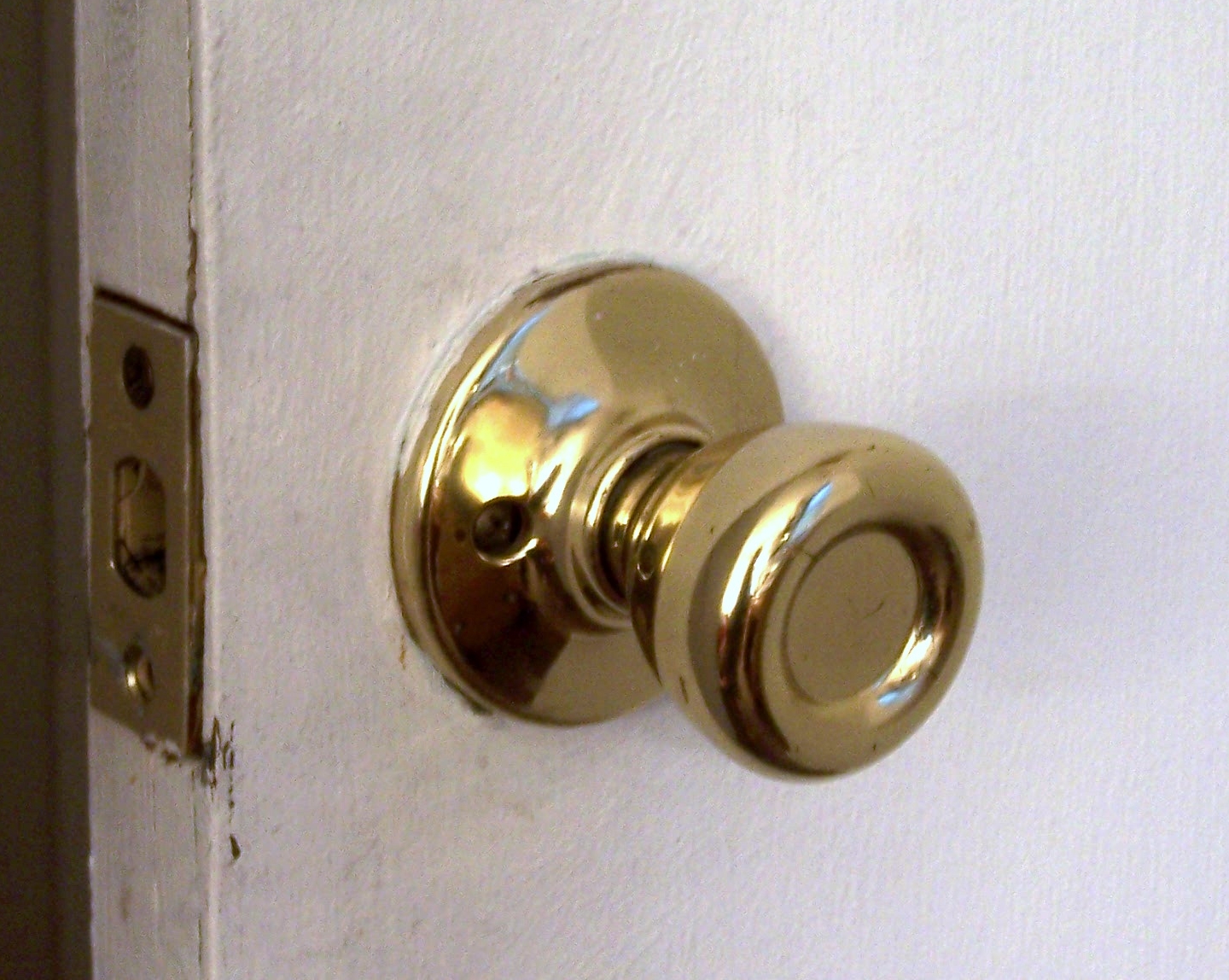
#1. Fact or myth: You can get Norovorius from touching a doorknob.
Fact. You can get Norovirus from touching something that a person with the virus touched. That includes doorknobs, but also anything else that organisms can live on: computer keyboards, coffeemakers, faucets, etc. That’s why it’s so important to wash your hands frequently; with so many people infected with it in the winter, you can catch it easily from a colleague or family member.

#2. Fact or myth: Norovirus is the same thing as food poisoning.
Myth. This myth came about because you can get Norovirus by sharing the food or drink of someone who has it, and by eating or drinking infected food or drink. Also, Norovirus spreads very fast, especially in close quarters such as nursing homes, schools, and cruiseships—another reason why people confuse it with food poisoning. However, food poisoning is caused by a toxin found in the food, not a virus that's spread through food. No matter the label, it’s important not to share food with people who may be sick and to beware of raw or undercooked food.

#3. Fact or myth: There is a Norovirus vaccine.
Fact. There are vaccines that have been developed against Norovirus, but they aren’t very effective. That’s because the virus mutates quickly, and each season produces several new strains of the Virus. So even though vaccines exist, they are not routinely recommended to prevent Norovirus.

#4. Fact or myth: There are effective medicines that will kill Norvirus.
Myth. The bad news is that there are no effective antiviral medicines that will kill Norovirus. The good news is that Norovirus is generally a harmless and self-limiting condition. The biggest danger is that of dehydration, and symptoms are typically gone in 2-3 days without treatment. Medications such as antidiarrheals may have more risks than benefits, so resting and keeping well hydrated are the key steps to recovery.

#5. Fact or myth: Pregnant women are particular at danger if they contract Norovirus.
Myth. Studies have shown that there are no unique harms of Norovirus during pregnancy, and Norovirus does not directly affect the baby. However, the symptoms of vomiting and diarrhea can lead to dehydration and electrolyte imbalances. This can increase the likelihood of a urinary tract infection and potentially of preterm labor. For these reasons, pregnant women should take extra caution to not contract Norovirus and other illnesses.

#6. Fact or myth: There are effective ways to prevent catching Norovirus
Fact. Here are 4 ways to prevent getting Norovirus:
   1)    Avoid people who have symptoms of vomiting and diarrhea. Don’t share their utensils or their food or drink.
   2)    Wash your hands with soap and water often and well, especially if you are in close quarters with potential sick people such as hospitals, schools, daycare centers, and nursing homes.
   3)    Beware of raw and undercooked food. Wash salads carefully. Cook meat and seafood well.
   4)    Keep healthy. Eat healthy, regular meals; rest; and exercise. Build up your immune system in case you do get exposed to this or other viruses.

Norovirus is a common, but unpleasant illness. If you do get it, make sure to drink plenty of fluids and get good rest. You may need to see your doctor if you can’t keep down fluids, have high fevers, or experience severe pain. Make sure your doctor listens to you and gives you a diagnosis—and explains to you what to do. As with anything else, prevention is the best medicine.